
By Zhao Yu
A shipment of 100 cartons containing 2,000 boxes of Xiufenglou steamed rice cakes has cleared customs in Shanghai and is preparing to depart by sea for Oakland, California. The shipment marks the first time this traditional Ningbo specialty has entered an overseas market, opening a new channel for local food producers to reach international consumers.
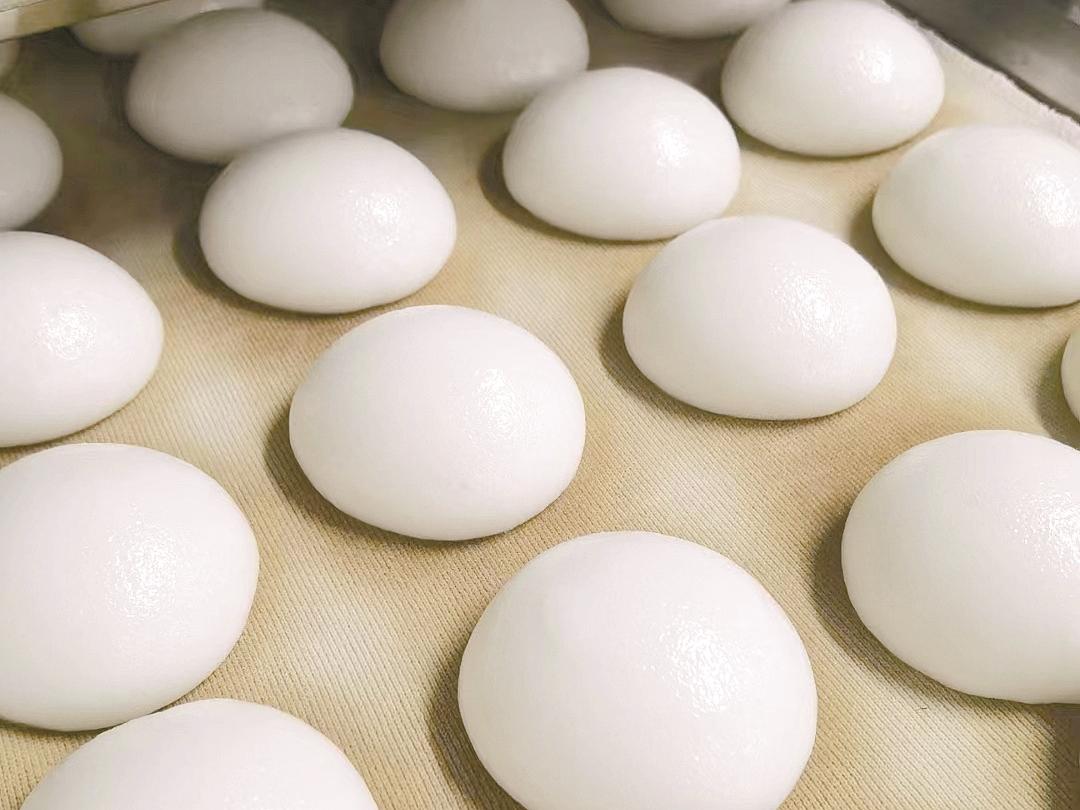
For many Ningbo residents, these steamed rice cakes are a taste of home. Made by grinding rice into a slurry, fermentating with rice wine starter and steaming, they emerge from the steamer with their tops split open like blossoming flowers. Soft, mildly sweet and pleasantly chewy, they are a familiar part of the city's food culture.
The exporter, Ningbo Xiufenglou Food Co., Ltd., is based in Jiulonghu Town, Zhenhai District. The company continues to use traditional natural fermentation with rice wine starter. Its products are flash-frozen to preserve their freshness and sold throughout China.
For Xiufenglou, a small business making its first move into overseas markets, export requirements initially posed a challenge. The company was unfamiliar with overseas market access rules, export registration procedures and foreign labeling standards. These requirements had made the prospect of exporting seem daunting to Shi Limin, head of the company.
"I've been making these rice cakes for years and have always wanted to bring this taste of home to overseas Chinese communities. But when we started looking into exporting, we realized that registration procedures, overseas regulations and other requirements were all new to us," Shi said.
After learning of the company's plans, Zhenhai Customs, part of Ningbo Customs, stepped in with tailored guidance. It helped the company complete the registration required for export food manufacturers and reviewed the food safety regulations and labeling requirements of the US market.
Customs officials also reviewed key stages of production, including the inspection of incoming rice, fermentation, steaming, cooling, quick-freezing and cold storage, helping the company strengthen food safety controls throughout the production process.