


This year also marks the 25th anniversary of the signing of the Treaty of Good‑Neighborliness and Friendly Cooperation Between China and Russia. Interactions between the two heads of countries continue to attract global attention while also shaping the development strategies and trade directions of Ningbo’s international trade community.
According to data from China’s Ministry of Commerce, bilateral trade between China and Russia has exceeded USD 200 billion for three consecutive years, with China remaining Russia’s largest trading partner for 16 years in a row. Statistics from Ningbo Customs show that in the first four months of this year, total imports and exports between Ningbo and Russia reached RMB 17.04 billion, up 22% year on year.
Responding to Market Demand:
Ningbo Products Gain Ground
in Russia
Through innovation and precise market adaptation, Ningbo enterprises have become both “market gap fillers” and “industry pioneers” in Russia.
Ningbo United International Co, Ltd., specializing in LED lighting and small household appliances, entered the Russian market through the Canton Fair in 1996. By tailoring product development to customer needs, the company expects its exports to Russia to grow by 10% this year.
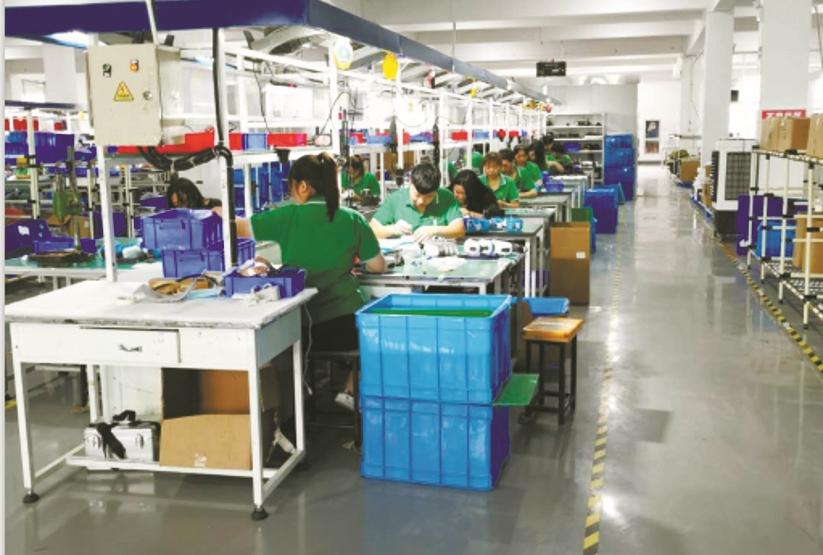
Ningbo Fulljoy Electronic Technology Co, Ltd., holder of more than 100 patents, exported over RMB 14 million worth of products to Russia in the first four months of the year, more than doubling its performance from the same period last year.
Ningbo Careline Electric Appliance Co, Ltd. launched air fryers designed specifically for Russian consumers, exporting more than 200,000 units in four months with a total value of RMB 46.7 million, tripling year-on-year growth.
Ningbo Trex Machinery Co, Ltd. now sees nearly one-fifth of its total exports destined for Russia, with exports exceeding RMB 45 million during the first four months of this year.
Following the large-scale withdrawal of Western brands from Russia in 2022, the Russian market entered a critical period of supply chain restructuring and brand reshuffling. Ningbo responded early with business model innovation. The city organized its own consumer goods expos in Russia, held on a city-to-city basis, with three editions already completed and intended orders surpassing RMB 1 billion in total. Ningbo has also established offline platforms such as product exhibition and sales centers and the Cixi Premium Products Pavilion, while expanding online channels and attracting major Russian e-commerce platforms to establish operations locally.
Integrating into Industry Chains:
Ningbo’s Deeper Role in Russia
Ningbo’s international trade businesses are no longer focused solely on exporting products; increasingly, they aim to integrate into local industrial chains.
A Ningbo-based company specializing in marine electrical control systems and generator sets, supplies equipment used in polar research vessels and Arctic oil tankers operating along northern sea routes. Its products are engineered for extremely cold and humid environments. In the first four months of this year, the company’s exports to Russia reached approximately RMB 65 million, a year-on-year increase of 395%.
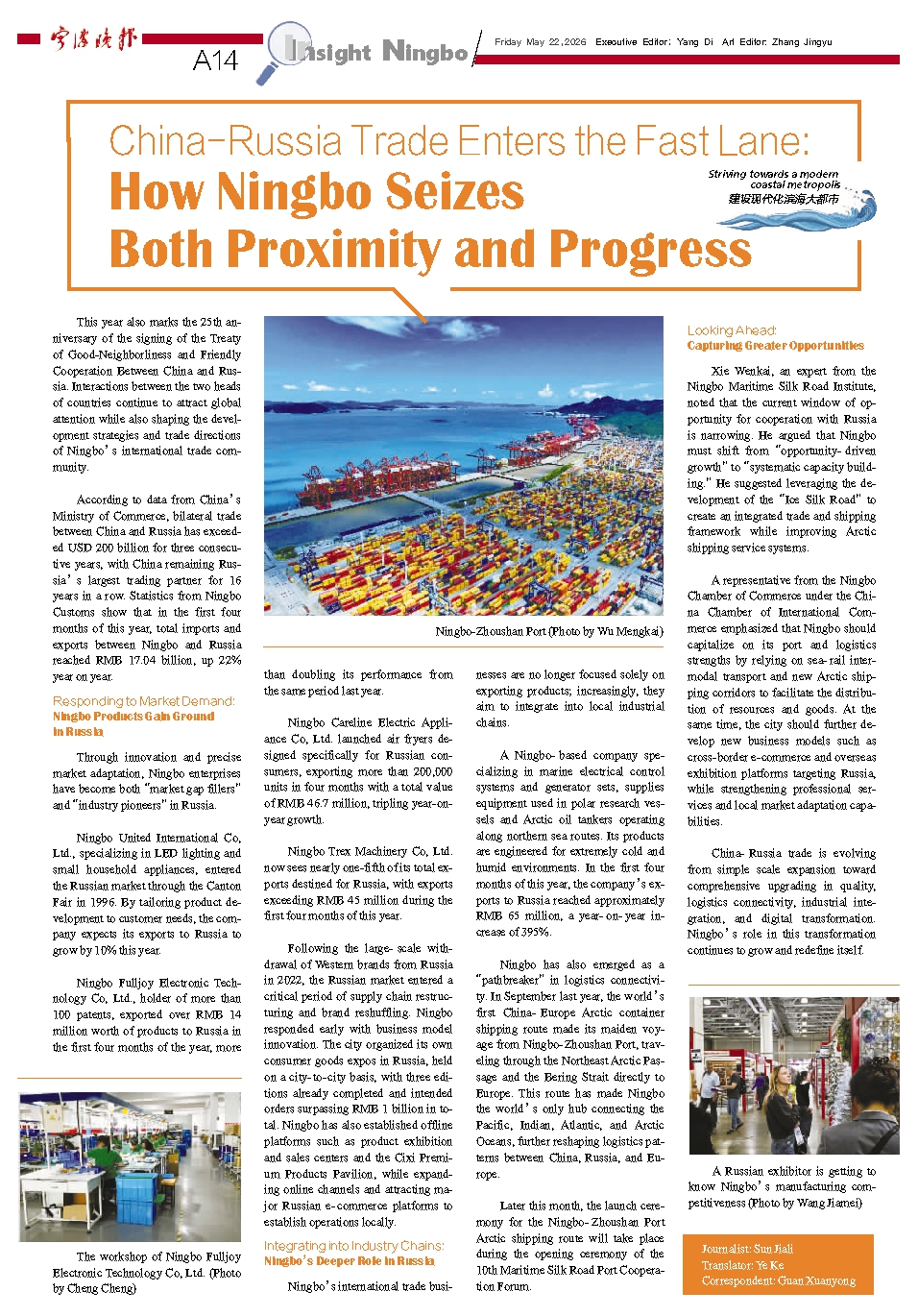
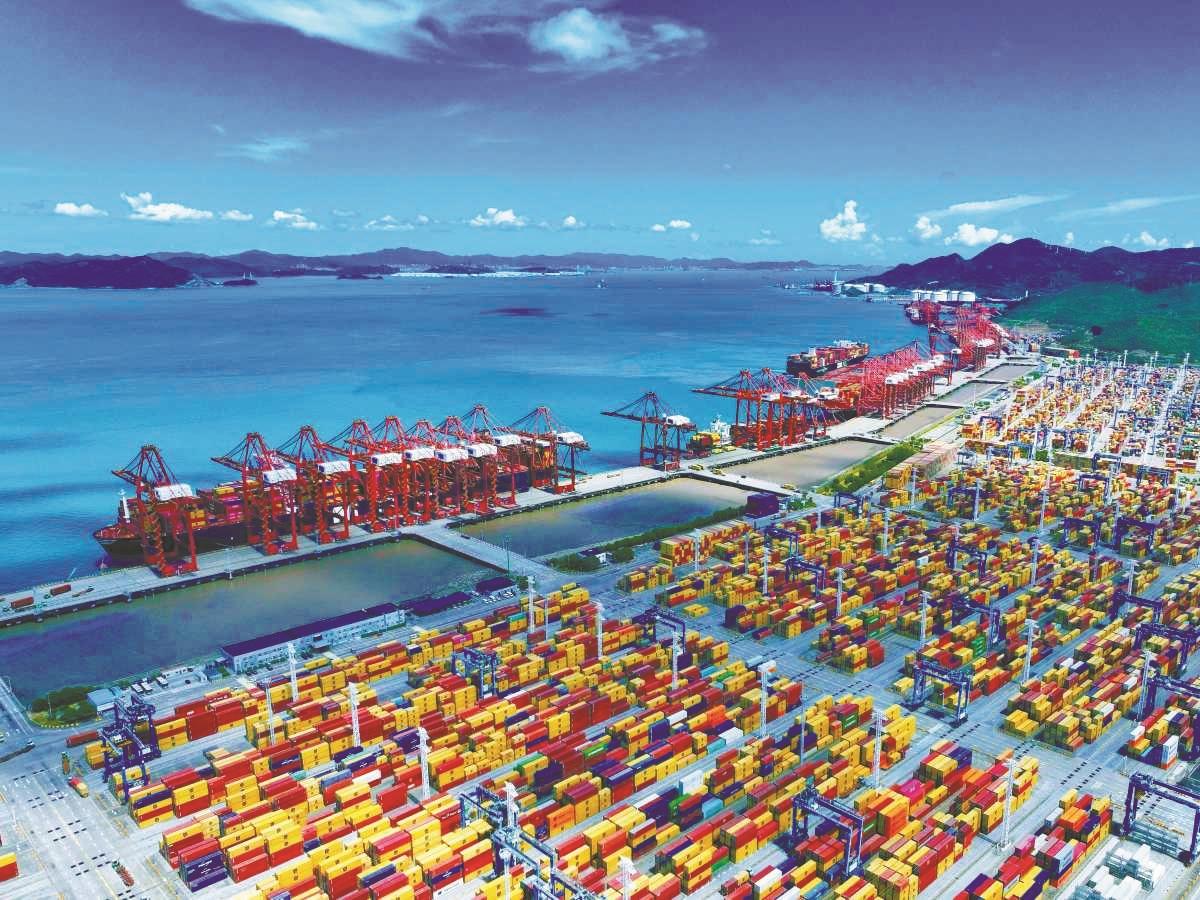
Ningbo has also emerged as a “pathbreaker” in logistics connectivity. In September last year, the world’s first China-Europe Arctic container shipping route made its maiden voyage from Ningbo-Zhoushan Port, traveling through the Northeast Arctic Passage and the Bering Strait directly to Europe. This route has made Ningbo the world’s only hub connecting the Pacific, Indian, Atlantic, and Arctic Oceans, further reshaping logistics patterns between China, Russia, and Europe.
Later this month, the launch ceremony for the Ningbo-Zhoushan Port Arctic shipping route will take place during the opening ceremony of the 10th Maritime Silk Road Port Cooperation Forum.
Looking Ahead:
Capturing Greater Opportunities
Xie Wenkai, an expert from the Ningbo Maritime Silk Road Institute, noted that the current window of opportunity for cooperation with Russia is narrowing. He argued that Ningbo must shift from “opportunity-driven growth” to “systematic capacity building.” He suggested leveraging the development of the “Ice Silk Road” to create an integrated trade and shipping framework while improving Arctic shipping service systems.
A representative from the Ningbo Chamber of Commerce under the China Chamber of International Commerce emphasized that Ningbo should capitalize on its port and logistics strengths by relying on sea-rail intermodal transport and new Arctic shipping corridors to facilitate the distribution of resources and goods. At the same time, the city should further develop new business models such as cross-border e-commerce and overseas exhibition platforms targeting Russia, while strengthening professional services and local market adaptation capabilities.
China-Russia trade is evolving from simple scale expansion toward comprehensive upgrading in quality, logistics connectivity, industrial integration, and digital transformation. Ningbo’s role in this transformation continues to grow and redefine itself.
Journalist: Sun Jiali
Translator: Ye Ke
Correspondent: Guan Xuanyong