
By Jin Lu
From cars and humanoid robots to home appliances and wearable devices, Ningbo-made hardware is getting smarter as AI agents bring new capabilities to everyday products.
In April, Zeekr launched the 8X, built at its Chunxiao plant in Beilun, Ningbo, equipped with "Super Eva" — an intelligent agent that integrates cockpit and driving functions. Rather than simply following commands, it can parse complex requests, plan routes and even help users order meals or book flights.
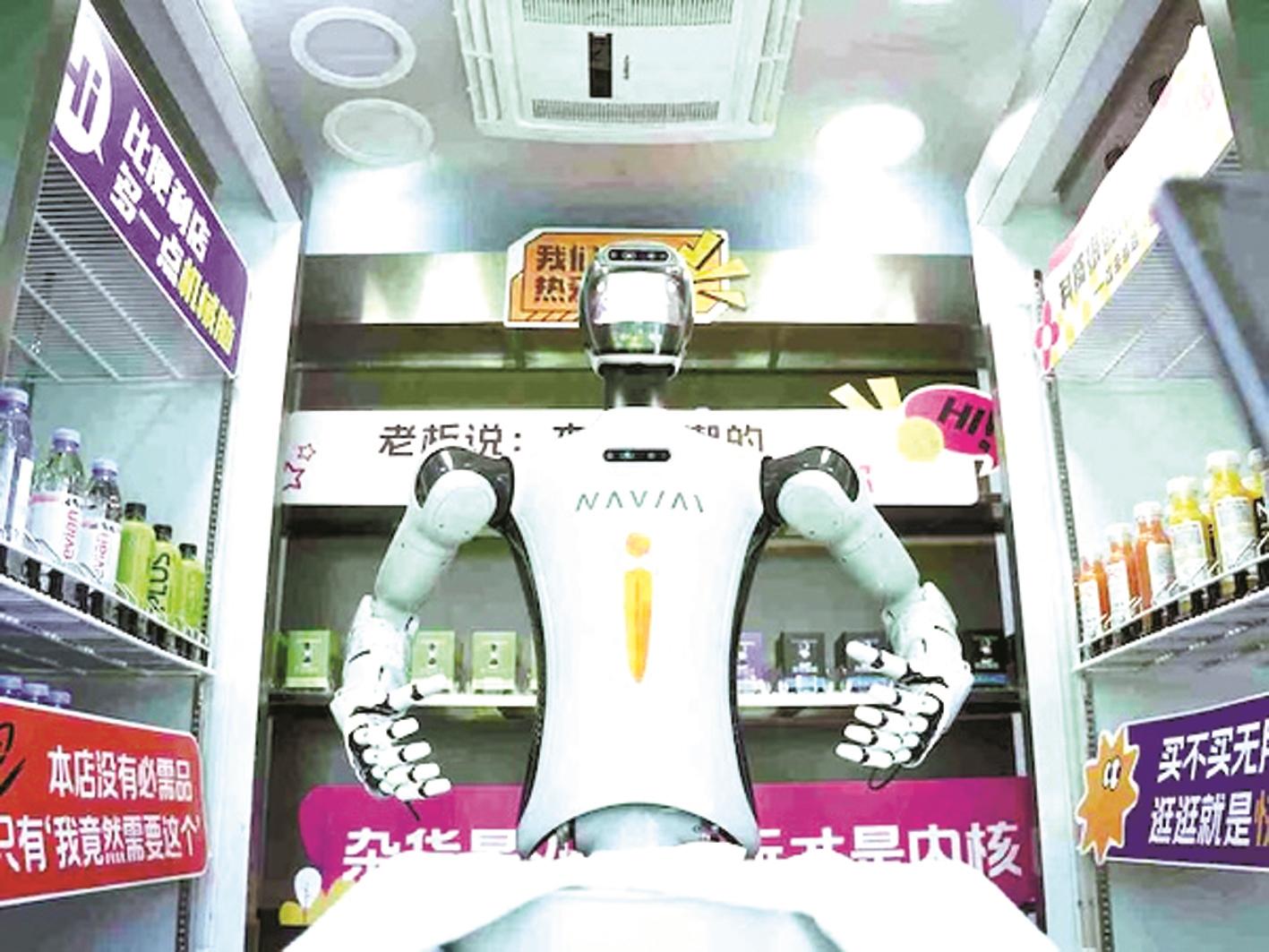
The city is also exploring embodied intelligence. A humanoid robot developed by the Zhejiang Humanoid Robot Innovation Center has been deployed as a shop assistant in Ningbo, serving customers and interacting with passersby. Similar robots are expected to take on roles in catering, hotels and tourism.
AI is reshaping everyday products, too. Smart shavers now adjust power based on beard density, while AI-powered air fryers recognize food and set cooking parameters automatically. Other innovations include AI air conditioners, capsule dishwashers and smart pens that can translate 165 languages.
In the first half of 2026, the Ningbo port exported 219,000 electric vehicles and 720 million yuan ($107.12 million) worth of robots, up 104.5% and 160% year-on-year, respectively.
With AI embedded into more products, Ningbo's manufacturing sector is moving beyond simple production — toward hardware that can listen, see, think and act.