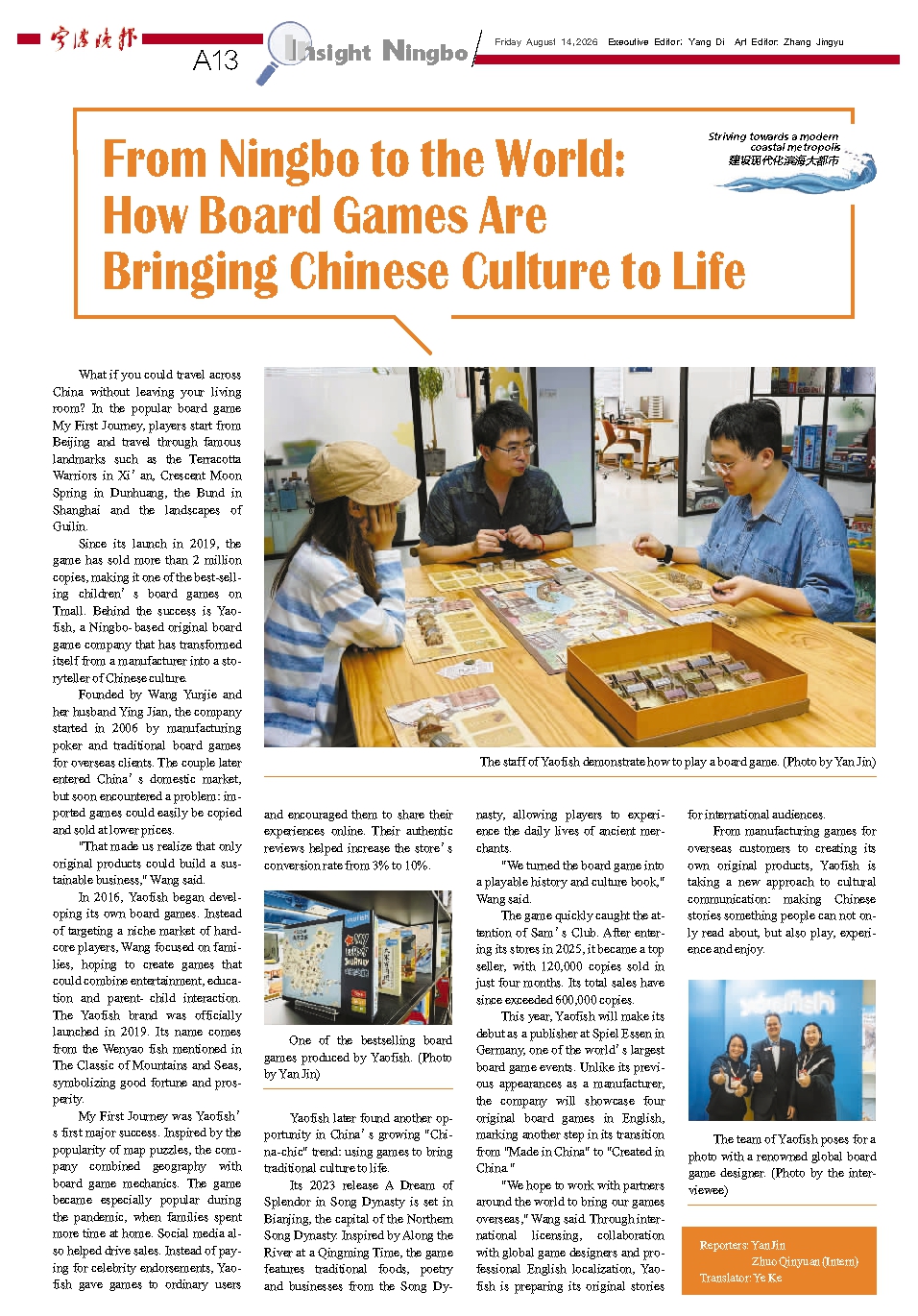


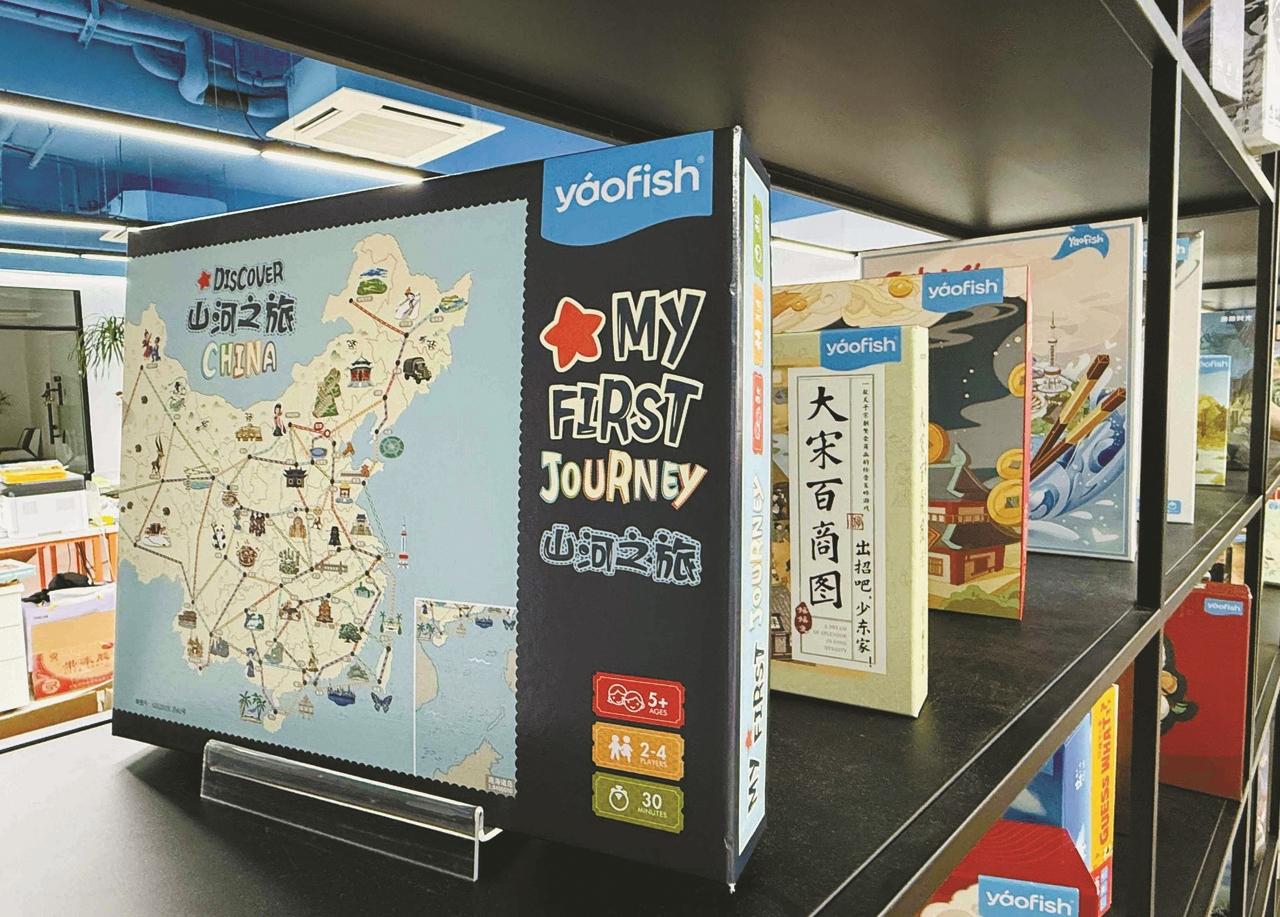

What if you could travel across China without leaving your living room? In the popular board game My First Journey, players start from Beijing and travel through famous landmarks such as the Terracotta Warriors in Xi’an, Crescent Moon Spring in Dunhuang, the Bund in Shanghai and the landscapes of Guilin.
Since its launch in 2019, the game has sold more than 2 million copies, making it one of the best-selling children’s board games on Tmall. Behind the success is Yaofish, a Ningbo-based original board game company that has transformed itself from a manufacturer into a storyteller of Chinese culture.
Founded by Wang Yunjie and her husband Ying Jian, the company started in 2006 by manufacturing poker and traditional board games for overseas clients. The couple later entered China’s domestic market, but soon encountered a problem: imported games could easily be copied and sold at lower prices.
"That made us realize that only original products could build a sustainable business," Wang said.
In 2016, Yaofish began developing its own board games. Instead of targeting a niche market of hardcore players, Wang focused on families, hoping to create games that could combine entertainment, education and parent-child interaction. The Yaofish brand was officially launched in 2019. Its name comes from the Wenyao fish mentioned in The Classic of Mountains and Seas, symbolizing good fortune and prosperity.
My First Journey was Yaofish’s first major success. Inspired by the popularity of map puzzles, the company combined geography with board game mechanics. The game became especially popular during the pandemic, when families spent more time at home. Social media also helped drive sales. Instead of paying for celebrity endorsements, Yaofish gave games to ordinary users and encouraged them to share their experiences online. Their authentic reviews helped increase the store’s conversion rate from 3% to 10%.
Yaofish later found another opportunity in China’s growing "China-chic" trend: using games to bring traditional culture to life.
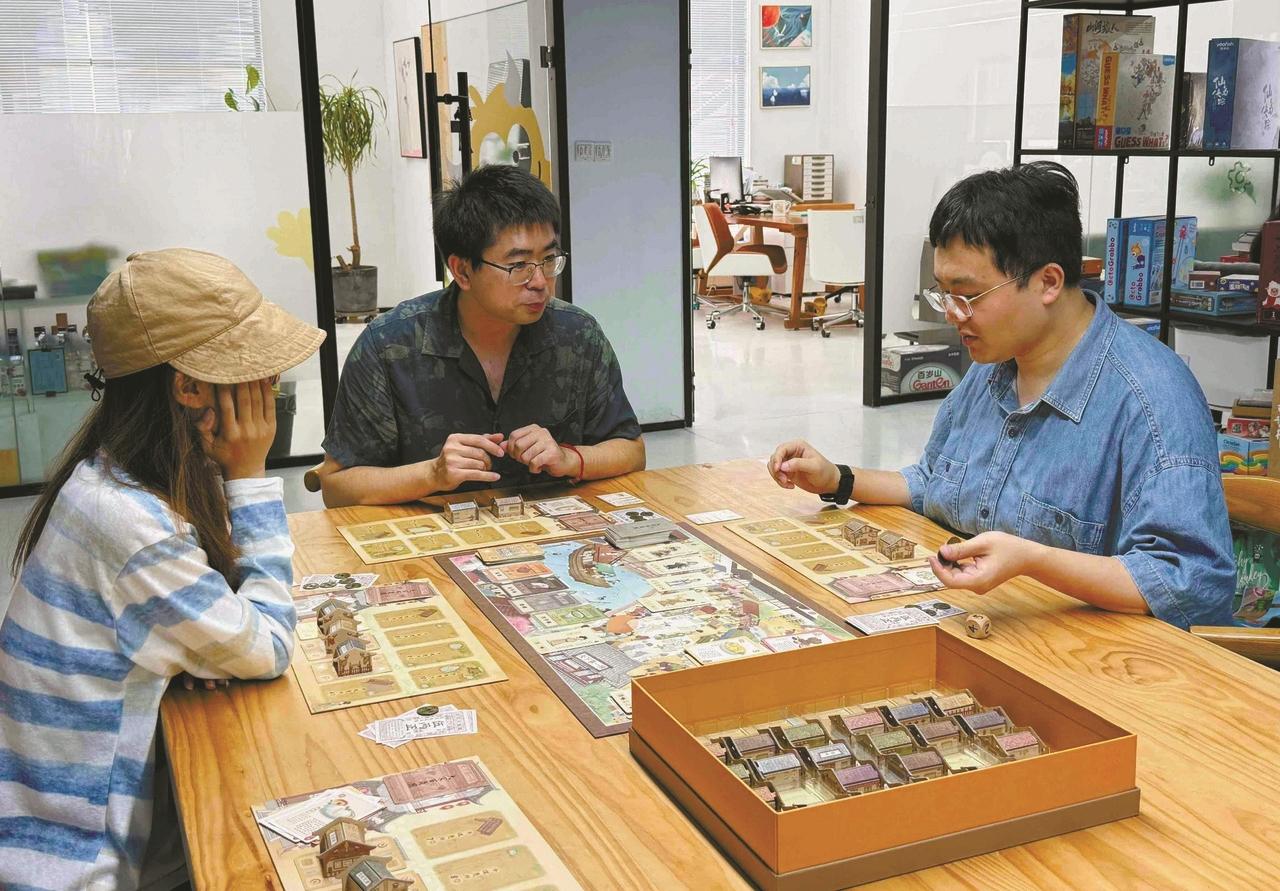
Its 2023 release A Dream of Splendor in Song Dynasty is set in Bianjing, the capital of the Northern Song Dynasty. Inspired by Along the River at a Qingming Time, the game features traditional foods, poetry and businesses from the Song Dynasty, allowing players to experience the daily lives of ancient merchants.
"We turned the board game into a playable history and culture book," Wang said.
The game quickly caught the attention of Sam’s Club. After entering its stores in 2025, it became a top seller, with 120,000 copies sold in just four months. Its total sales have since exceeded 600,000 copies.
This year, Yaofish will make its debut as a publisher at Spiel Essen in Germany, one of the world’s largest board game events. Unlike its previous appearances as a manufacturer, the company will showcase four original board games in English, marking another step in its transition from "Made in China" to "Created in China."
"We hope to work with partners around the world to bring our games overseas," Wang said. Through international licensing, collaboration with global game designers and professional English localization, Yaofish is preparing its original stories for international audiences.
From manufacturing games for overseas customers to creating its own original products, Yaofish is taking a new approach to cultural communication: making Chinese stories something people can not only read about, but also play, experience and enjoy.
Reporters: Yan Jin
Zhuo Qinyuan (Intern)
Translator: Ye Ke