

Against the backdrop of rising cultural confidence and a new wave of consumption in China, cities like Ningbo—long known for manufacturing—are rapidly transitioning from "Made in China" to "Created in China." The booming China-chic cultural and creative sector reflects both a renewed appreciation of Chinese heritage among younger generations and the powerful amplification of digital platforms, e-commerce, and short-form videos.
These channels have enabled cultural products to transcend geographic boundaries and reach global audiences. At the same time, in an era dominated by smartphones and artificial intelligence, people increasingly seek authentic human connection and cultural belonging. This shift has created fertile ground for products that combine cultural depth with interactive experiences. Ningbo-based companies are seizing this opportunity, leveraging culture-driven innovation to move up the value chain—from OEM manufacturing to globally recognized brands.
Let's take Ningbo Yaofish Culture & Technology Co., Ltd. as an example. Its development trajectory illustrates the long -term vision and cultural awareness of China's original content-driven enterprises. Globally, the board game industry has grown into a market worth over $20 billion and continues to expand at a compound annual growth rate of around 12 percent. While Europe and the United States have taken decades to build their markets, Wang Yunjie, manager of Ningbo Yaofish, believes China could traverse a similar path within just 15 to 20 years, driven by rapid iteration, digital infrastructure, and highly efficient distribution channels. "Everything in China evolves at an accelerated pace," she notes, expressing strong confidence in both domestic and global market prospects.
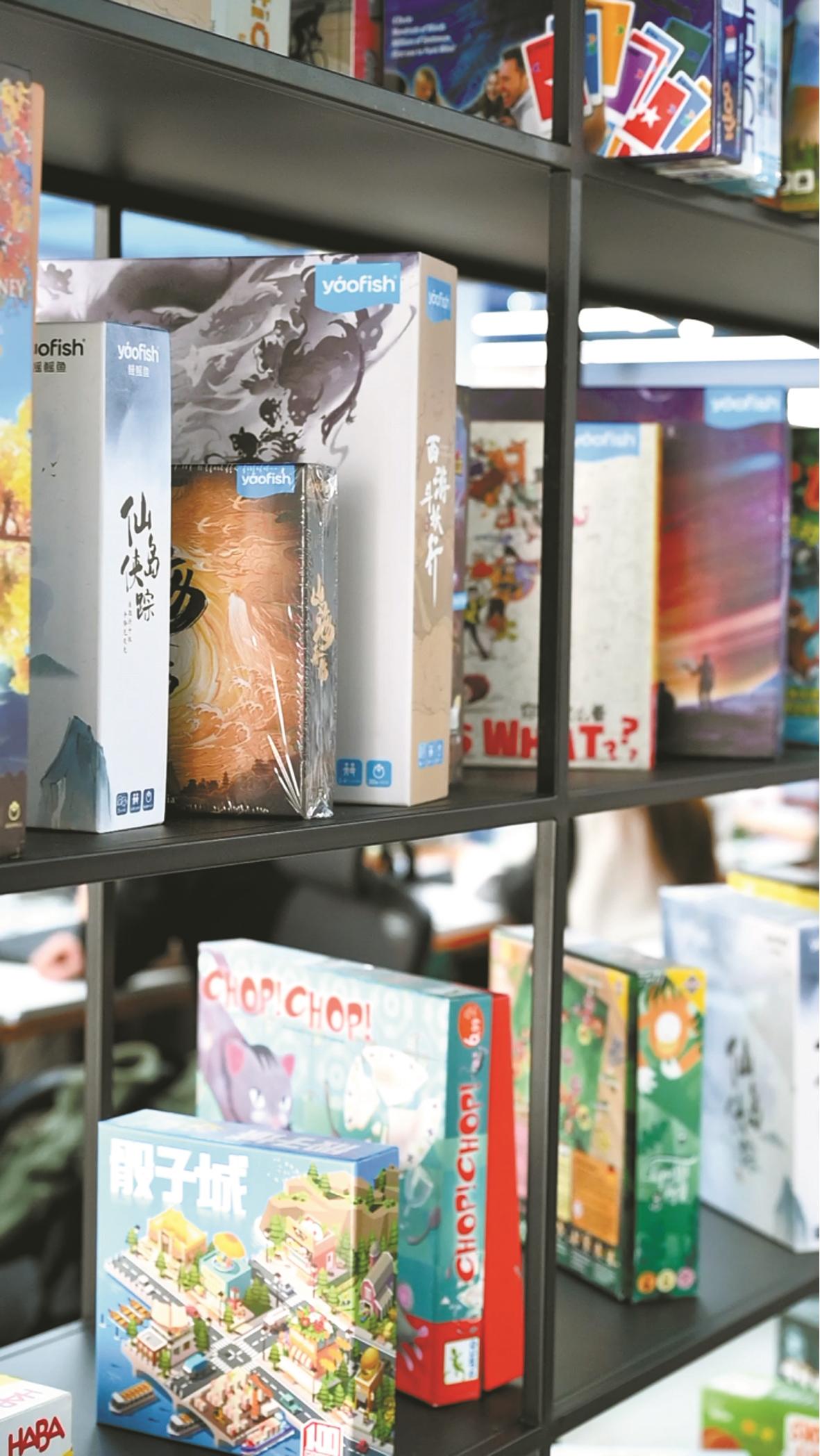
Entering the domestic board game market in 2016, the company spent its first five years almost entirely focused on research and development, with little to no marketing—a period of quiet incubation. Drawing on its earlier experience in OEM export manufacturing, Yaofish adopted a dual-track strategy, balancing domestic and international markets. The turning point came in its sixth year, when its original title My First Journey, became a breakout hit, selling over 2 million copies—an impressive figure even by global standards. This success not only validated market demand but also reinforced the company's mission to create board games rooted in Chinese culture.
More importantly, Yaofish has developed a product strategy deeply rooted in Chinese culture. From Silk Road, inspired by Dunhuang heritage, to A Dream of Splendor in the Song Dynasty, which draws on classics, the company continuously reinterprets traditional culture through innovative game mechanics and visual design. Its upcoming projects, including adaptations based on Chinese art history and classical literature, further demonstrate this commitment. In its globalization efforts, Yaofish has shifted from attempting to cater to Western aesthetics to a more confident, China-centred approach, complemented by international co-creation. By collaborating with renowned global designers, participating in major exhibitions such as Gen Con Spielwarenmesse in Germany, and leveraging overseas influencers for product reviews, the company is building a more inclusive pathway to global markets. This strategy—rooted locally yet oriented globally—allows Yaofish to balance cultural expression with commercial expansion.
A parallel transformation can be seen in Ningbo Hengxing Toys Co., Ltd., which has upgraded from a traditional OEM manufacturer to a culturally driven brand. The shift began in 2017, when Sun Yiren returned from overseas and took over her family's toy factory. At the time, Hengxing primarily focused on export-oriented OEM production, with products centred on Western lifestyle scenarios such as BBQ sets and afternoon tea. "Our products were sold to Europe and the United States, but they essentially carried someone else's culture," Sun recalls. "I felt it was time to do something different."
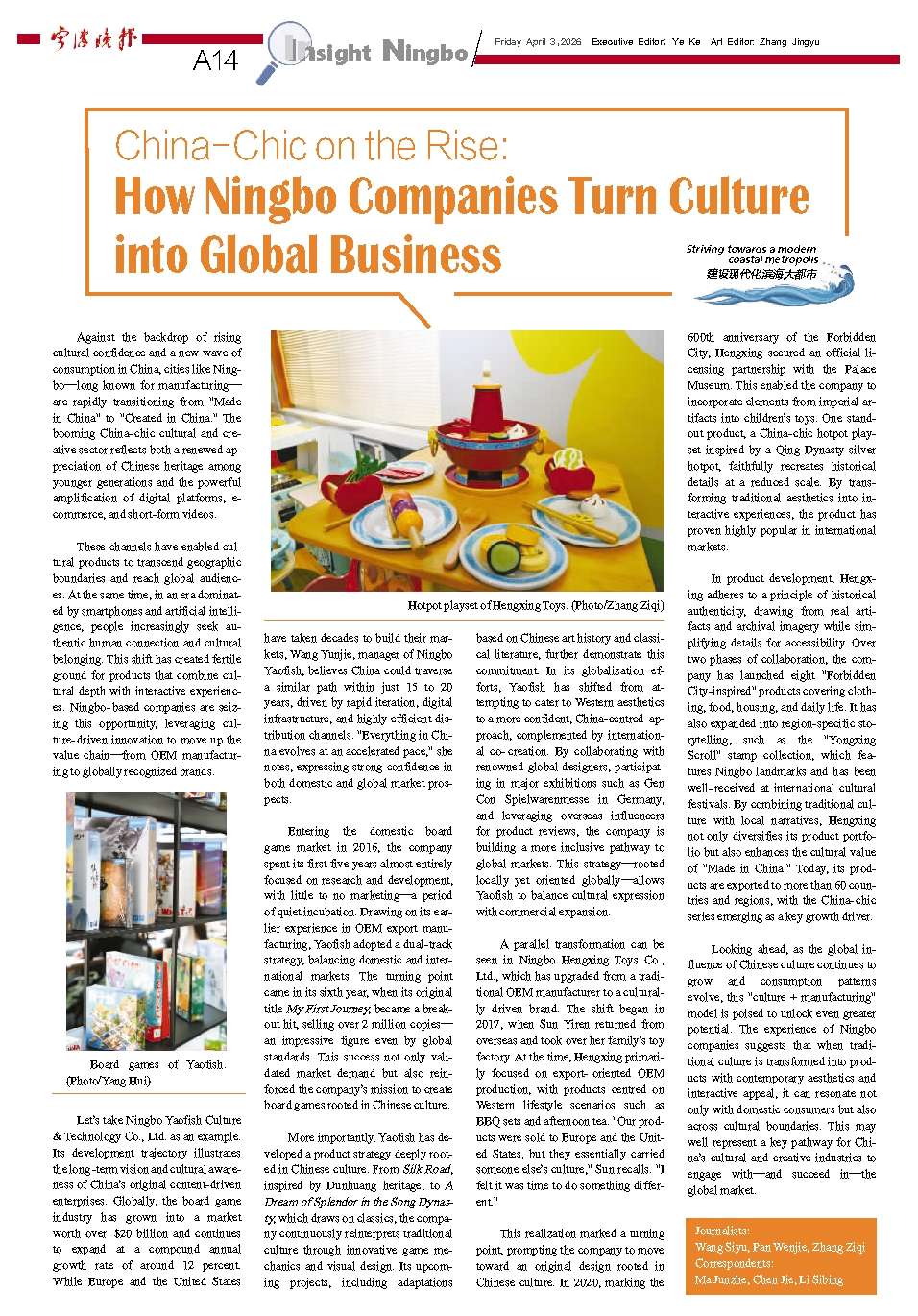
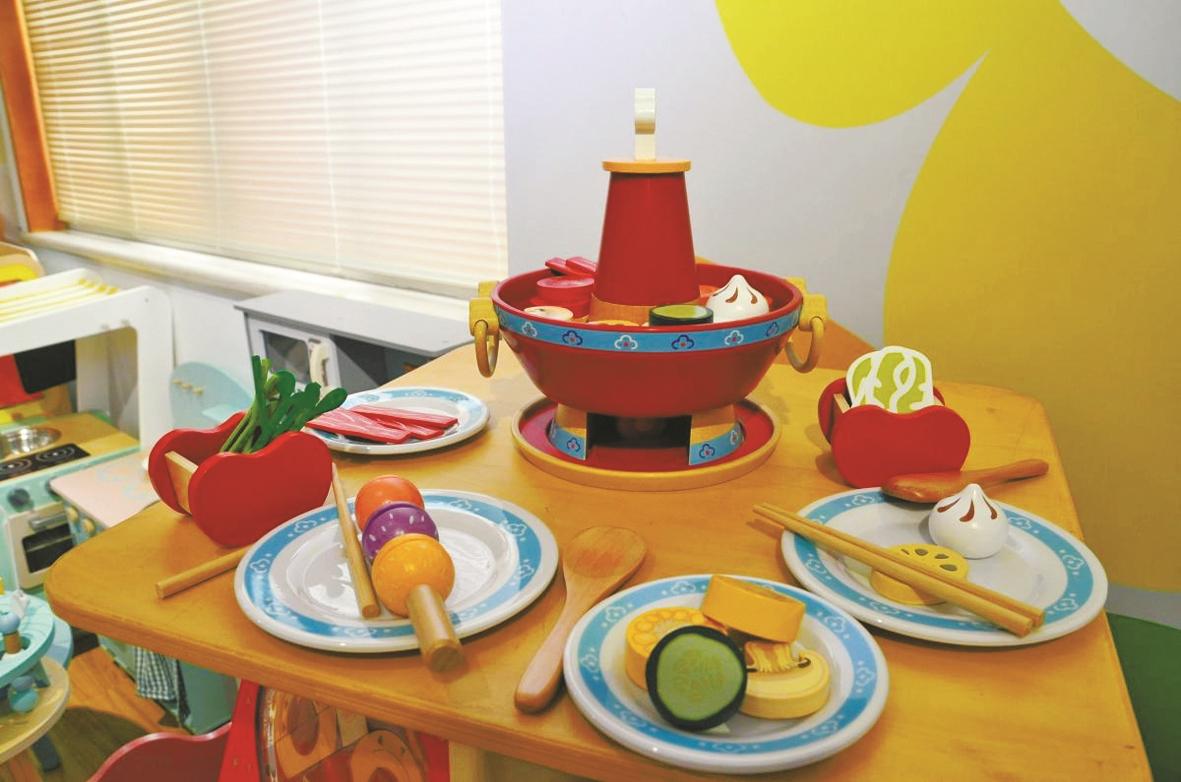
This realization marked a turning point, prompting the company to move toward an original design rooted in Chinese culture. In 2020, marking the 600th anniversary of the Forbidden City, Hengxing secured an official licensing partnership with the Palace Museum. This enabled the company to incorporate elements from imperial artifacts into children's toys. One standout product, a China-chic hotpot playset inspired by a Qing Dynasty silver hotpot, faithfully recreates historical details at a reduced scale. By transforming traditional aesthetics into interactive experiences, the product has proven highly popular in international markets.
In product development, Hengxing adheres to a principle of historical authenticity, drawing from real artifacts and archival imagery while simplifying details for accessibility. Over two phases of collaboration, the company has launched eight "Forbidden City-inspired" products covering clothing, food, housing, and daily life. It has also expanded into region-specific storytelling, such as the "Yongxing Scroll" stamp collection, which features Ningbo landmarks and has been well-received at international cultural festivals. By combining traditional culture with local narratives, Hengxing not only diversifies its product portfolio but also enhances the cultural value of "Made in China." Today, its products are exported to more than 60 countries and regions, with the China-chic series emerging as a key growth driver.
Looking ahead, as the global influence of Chinese culture continues to grow and consumption patterns evolve, this "culture + manufacturing" model is poised to unlock even greater potential. The experience of Ningbo companies suggests that when traditional culture is transformed into products with contemporary aesthetics and interactive appeal, it can resonate not only with domestic consumers but also across cultural boundaries. This may well represent a key pathway for China's cultural and creative industries to engage with—and succeed in—the global market.
Journalists:
Wang Siyu, Pan Wenjie, Zhang Ziqi
Correspondents:
Ma Junzhe, Chen Jie, Li Sibing