
By Jin Yuhan
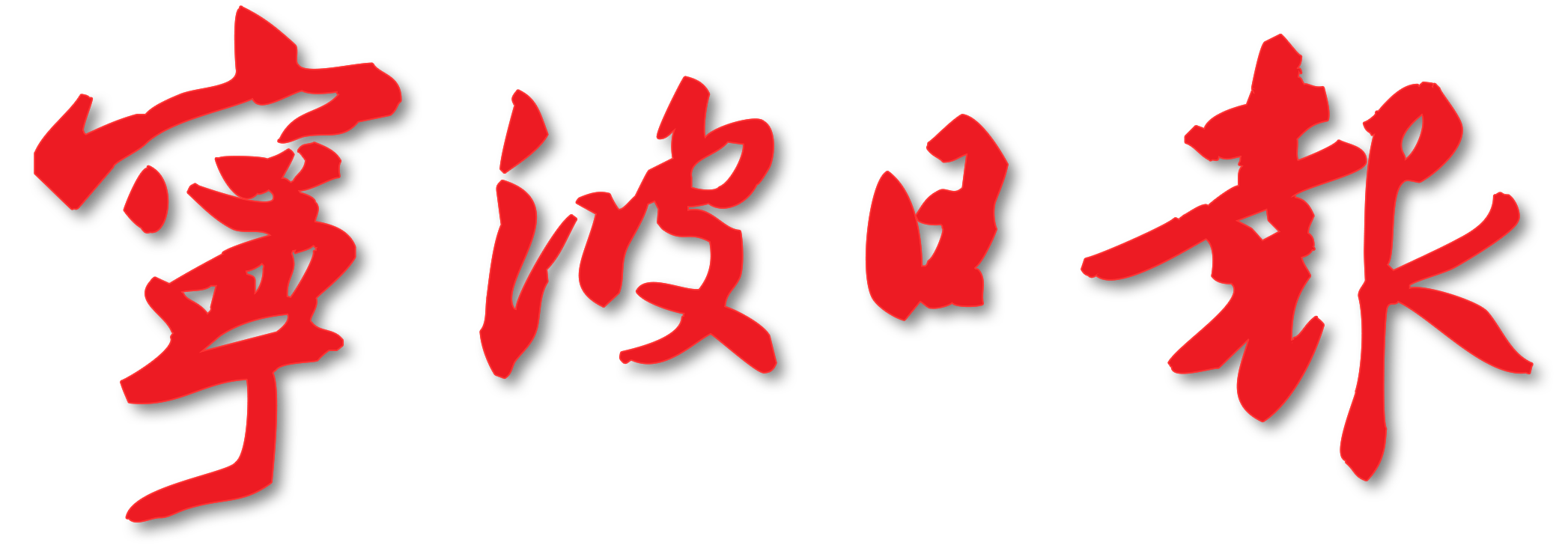
Shenzhen hosted the 33rd APEC Economic Leaders' Meeting last week, marking the third time China has hosted the annual gathering. As APEC members work to strengthen regional cooperation and promote shared prosperity, the meeting has once again brought the Asia-Pacific into the spotlight.
For Ningbo, APEC has long been closely tied to its own story of opening up. Over the years, the city has strengthened its trade links across the Asia-Pacific, while expanding its connections with the rest of the world.
The Pens That Put Beifa to the Test
In 2001, when China hosted the APEC Economic Leaders' Meeting in Shanghai for the first time, the pens used by delegates were supplied by Ningbo-based Beifa Group. They were placed on meeting tables and tucked into suit pockets.
"The meeting helped set standards for pens used at major international events," said Qiu Zhiming, chairman of Beifa Group.
The story began in the run-up to 2000. When Beifa Group learned that China would host the APEC Economic Leaders' Meeting in Shanghai, Qiu Zhiming immediately saw an opportunity. "This was the first time China would host a meeting of this kind. Our pens would be used by leaders from around the world. At the time, we needed an international platform to showcase products designed and made in China," he said.
Qiu used his business connections to get in touch with the organizing committee and propose that Beifa supply the conference pens. "We were a Chinese manufacturer, and we were confident we could meet the challenge," he told the committee.
After several rounds of discussions, the committee agreed to consider Beifa's proposal, provided the company first submitted a set of samples. Qiu brought together his design and production teams, and over the next three months they developed four options, each with a different combination of styles and colors.
But the committee was less concerned with appearance than with quality. Qiu recalled that five or six committee members visited the factory. Sitting around a table, they took out the Japanese and German pens they normally used and compared them with Beifa's samples, putting each through repeated writing tests. At the end, they set down the pens and nodded. Beifa had passed the test, and one of its designs was selected.
As China's first time hosting an event of this scale, the meeting left no room for mistakes. Every pen had to meet the required standards. "The pressure was enormous," Qiu said. Beifa had traditionally supplied overseas customers in large container shipments, with an accepted pass rate of 95 percent. This order was different: tens of thousands of pens had to be delivered without a single defect.
Qiu traveled to Shanghai to consult experienced craftsmen at other pen manufacturers. Their advice was simple: achieving zero defects required strict standards at every stage of production. That meant setting clear requirements for materials, manufacturing processes, writing performance and ease of use.
Beifa also sent samples to testing laboratories in Hong Kong. After two and a half months of production, the company delivered the full order to the meeting venue. The organizing committee was pleased with the result. "This time, you have done Chinese manufacturing proud," Qiu recalled being told.
A quarter-century later, as Chinese manufacturers move into higher-value segments, Beifa has taken on a more active role in shaping international standards for the pen industry.
"We used to follow standards set by major international manufacturers. Then we began negotiating them. Now we're helping set the standards ourselves, and the world is increasingly looking to China's expertise in pen-making," Qiu said.
Beifa went on to supply pens for a succession of major international conferences after APEC. Delegates took them home to countries around the world. But the legacy of that first order went beyond the pens themselves: the rigorous quality controls it introduced continue to guide production at Beifa today.
Bringing Ningbo Tailoring to the APEC Stage
At the 2014 APEC welcome banquet at Beijing's Water Cube, leaders from across the Asia-Pacific region appeared in a striking lineup of modern Chinese-style outfits for the traditional group photo.
The modern Chinese-style outfits were the result of collaboration among 22 fashion experts from 22 companies across China. Xiang Jiangpeng was one of them, and the only representative from Ningbo.
Work on the outfits began in 2013. That summer, Xiang, chief designer at Beyond Group, received an invitation from the Beijing Institute of Fashion Technology. The brief was broad: draw on the traditions of Chinese dress while giving them a contemporary feel.
"For an event like this, every element—from the cut and style to the details, colors and fabrics—comes under close scrutiny," Xiang said. "The outfits have to present a good image of China and convey a sense of occasion, while also suiting leaders with different skin tones and body types."
Rather than start sketching immediately, Xiang first sat down with his design team to study the subject. They cataloged the silhouettes and decorative motifs of traditional Chinese clothing, while considering how these elements could be adapted to contemporary tailoring and design aesthetics.
After extensive discussion, Xiang settled on a two-part approach: deconstruction and reintegration. The idea was to break down elements of both Chinese and Western clothing and bring selected features together in a way that retained a distinctly Chinese character—elegant, understated and composed. The first proposal took only a few days to complete, but revisions continued for months. "I couldn't tell you how many drafts we went through," Xiang said.
At the end of 2013, he submitted the designs along with a letter he had written himself. The letter introduced Beyond Group, explained the thinking behind the outfits and highlighted Ningbo's tailoring tradition.
Looking back at several unfinished pieces from that period, Xiang said with pride that nearly all the details that seemed traditional at first glance but revealed new ideas on closer inspection had made it into the final designs.
"The new Chinese-style outfits bring traditional craftsmanship and innovation together," he said. "They draw on Ningbo's long tradition of fine tailoring and reflect its spirit of embracing influences from different cultures."